How the Coinbase Credit Card Reshapes Spending and Crypto Rewards
The Coinbase credit card isn’t just another financial tool—it’s a bridge between the legacy banking system and the decentralized future. While traditional credit cards offer cashback or travel points, this card redefines rewards by letting users earn crypto on everyday purchases. The psychology behind it is simple: align spending habits with asset accumulation, turning routine transactions into passive wealth-building opportunities. Yet, beneath its user-friendly surface lies a complex interplay of regulatory compliance, blockchain integration, and financial innovation that few fully grasp.
What sets the Coinbase credit card apart is its seamless fusion of fiat and crypto economies. Holders earn Bitcoin, Ethereum, or stablecoins as rewards, but the mechanics—from instant conversion to dynamic reward tiers—demand closer scrutiny. The card’s launch wasn’t accidental; it arrived at a pivotal moment when institutional adoption of crypto was accelerating, and retail investors sought tangible ways to interact with digital assets. But how does it actually work, and why does it matter beyond the hype?
The card’s design reflects Coinbase’s dual role as both a custodian and an on-ramp for crypto. By embedding rewards into a Visa network-compatible product, Coinbase transforms abstract concepts like staking and yield farming into tangible, everyday benefits. For the average user, this means earning Bitcoin for groceries or travel—something unthinkable just a decade ago. Yet, the deeper implications stretch into financial sovereignty, cross-border transactions, and even the erosion of traditional banking monopolies.

The Complete Overview of the Coinbase Credit Card
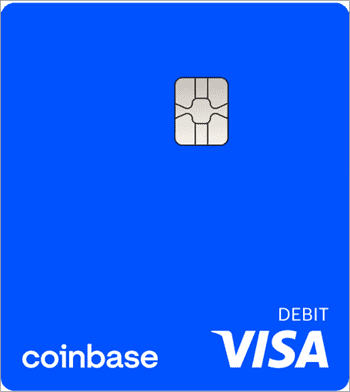
The Coinbase credit card represents a bold experiment in merging decentralized finance (DeFi) with conventional credit infrastructure. Unlike traditional cards that reward users with points or cashback in fiat currency, this card converts spending into crypto assets—Bitcoin, Ethereum, or stablecoins—directly deposited into a user’s Coinbase account. This shift isn’t merely about perks; it’s a strategic move to onboard millions into crypto ownership by making digital assets feel as accessible as a swipe at the checkout.At its core, the card operates as a Coinbase Visa card, leveraging the global Visa network while tying rewards to the company’s ecosystem. Users can choose from multiple cryptocurrencies for rewards, with dynamic rates that adjust based on market conditions. The card also integrates with Coinbase’s broader suite of services, including staking, trading, and lending, creating a closed-loop financial experience. However, its success hinges on balancing accessibility with regulatory hurdles, particularly in regions where crypto remains contentious.
Historical Background and Evolution
The idea of crypto-backed credit cards predates Coinbase’s entry, with early experiments like the BitPay card (2014) and TenX (2015) attempting to merge crypto spending with plastic. Yet, these efforts stalled due to limited adoption, poor UX, and regulatory ambiguity. Coinbase’s foray into the space in 2020 marked a turning point, capitalizing on the company’s established reputation as a trusted crypto exchange and its massive user base of over 100 million accounts.The Coinbase credit card launched as a response to two key trends: the growing demand for crypto utility and the decline of traditional cashback programs. By offering up to 4% back in crypto on spending, Coinbase positioned itself as a disruptor, appealing to both crypto natives and newcomers. The card’s evolution also reflects broader shifts in financial technology—from the rise of neobanks to the integration of blockchain into daily commerce. Today, it stands as a testament to how legacy systems can adapt to decentralized innovation.
Core Mechanisms: How It Works
The Coinbase credit card functions like any Visa card, but with a critical difference: rewards are automatically converted into crypto based on the user’s selected asset. When a purchase is made, Coinbase calculates the reward in real-time, using a dynamic rate that fluctuates between 1% and 4% (depending on the crypto chosen). These rewards are then deposited into the user’s Coinbase wallet, where they can be held, traded, or staked.Table of Contents
- The Complete Overview of the Coinbase Credit Card
- Historical Background and Evolution
- Core Mechanisms: How It Works
- Key Benefits and Crucial Impact
- Major Advantages
- Comparative Analysis
- Future Trends and Innovations
- Conclusion
- Comprehensive FAQs
- Q: Can I use the Coinbase credit card internationally?
- Q: How do crypto rewards work on the Coinbase card?
- Q: Is the Coinbase credit card FDIC-insured?
- Q: Can I earn rewards in stablecoins instead of Bitcoin?
- Q: What happens if my crypto rewards lose value?
- Q: Are there any spending limits or restrictions?
- Q: How do I apply for the Coinbase credit card?
- Q: Can I use the card for crypto purchases?
Under the hood, the card relies on Coinbase’s infrastructure to manage transactions, compliance, and reward distribution. Users must link their Coinbase account to the card, ensuring a seamless flow between fiat and crypto. The card also supports features like instant conversion (for those who prefer fiat rewards) and spending limits tied to credit lines, though these vary by region. The mechanics are designed to be intuitive—swipe, earn, and accumulate—while masking the complexity of blockchain transactions behind the scenes.
Key Benefits and Crucial Impact
The Coinbase credit card isn’t just a financial product; it’s a cultural shift in how people perceive spending and asset ownership. By converting everyday purchases into crypto, it lowers the barrier to entry for digital assets, making them feel as natural as cashback. For crypto enthusiasts, this means turning groceries into Bitcoin; for skeptics, it’s a risk-free way to dip a toe into the market. The card’s impact extends beyond personal finance, influencing how institutions view crypto as a medium of exchange.The psychological appeal is undeniable: users don’t just earn rewards—they build wealth passively. This aligns with Coinbase’s broader mission of democratizing crypto access. Yet, the card’s success also raises questions about financial literacy, volatility, and the long-term sustainability of crypto rewards in a fluctuating market.
"The Coinbase credit card turns spending into an investment—without requiring users to trade a single asset. That’s the power of frictionless crypto adoption." — Brian Armstrong, Coinbase CEO (2021)
Major Advantages
- Crypto Rewards: Earn up to 4% back in Bitcoin, Ethereum, or stablecoins on purchases, with rates adjusted dynamically.
- Seamless Integration: Rewards are automatically deposited into a Coinbase wallet, enabling instant trading, staking, or holding.
- Global Acceptance: As a Visa card, it’s accepted worldwide, with no foreign transaction fees in most regions.
- Financial Flexibility: Supports instant conversion to fiat for users who prefer traditional rewards.
- Security and Compliance: Backed by Coinbase’s institutional-grade security and regulatory compliance in supported markets.
Comparative Analysis
While the Coinbase credit card leads in crypto rewards, other players offer competing solutions. Below is a side-by-side comparison of key features:| Feature | Coinbase Credit Card | Binance Card | Crypto.com Visa | Traditional Cashback Cards |
|---|---|---|---|---|
| Reward Type | Crypto (BTC, ETH, etc.) or fiat | Crypto (BNB, BUSD) or cashback | Crypto (CRO, BTC) or cashback | Cashback or points |
| Max Reward Rate | Up to 4% | Up to 8% (with BNB) | Up to 5% (with CRO) | 1–5% (varies by card) |
| Network Compatibility | Visa (global) | Visa/Mastercard (regional) | Visa/Mastercard/Amex | Visa/Mastercard/Amex |
| Key Differentiator | Direct Coinbase wallet integration | Binance ecosystem perks | High staking rewards | No crypto exposure |
Future Trends and Innovations
The Coinbase credit card is just the beginning. As crypto adoption matures, we can expect several innovations:1. Dynamic Reward Optimization: AI-driven algorithms could personalize rewards based on spending habits, offering higher rates for categories like travel or subscriptions.
2. DeFi Integration: Future iterations may allow users to earn yield on rewards directly from the card, bridging traditional finance and DeFi.
3. Regulatory Expansion: As crypto regulations evolve, the card could expand into new markets, including Europe and Asia, where demand is rising.
The long-term vision extends beyond rewards—imagine a world where every transaction is a micro-investment, where spending fuels portfolio growth. Coinbase’s card is a prototype for this future, but its success will depend on balancing innovation with stability in an unpredictable market.

Conclusion
The Coinbase credit card is more than a financial tool; it’s a statement on the future of money. By merging crypto rewards with everyday spending, it challenges the status quo of cashback programs and traditional banking. For users, it’s an opportunity to accumulate digital assets effortlessly. For institutions, it’s a test case for how crypto can coexist with legacy systems.Yet, challenges remain. Volatility, regulatory uncertainty, and user education will determine whether this experiment succeeds or fades into obscurity. One thing is clear: the Coinbase credit card has already rewritten the rules of how we think about spending—and that’s just the beginning.
Comprehensive FAQs
Q: Can I use the Coinbase credit card internationally?
The card is a Visa product, so it’s widely accepted globally. However, foreign transaction fees may apply in some regions, and availability depends on local regulations. Always check Coinbase’s terms for your country.
Q: How do crypto rewards work on the Coinbase card?
Rewards are calculated as a percentage of your spending (1–4%) and automatically deposited into your Coinbase wallet in the crypto of your choice. For example, spending $100 with a 4% Bitcoin reward earns you $4 worth of BTC.
Q: Is the Coinbase credit card FDIC-insured?
No, the card itself is not FDIC-insured, but the crypto rewards held in your Coinbase wallet are protected by Coinbase’s insurance policies (up to $250K for stolen funds in certain cases). However, crypto values are not backed by government guarantees.
Q: Can I earn rewards in stablecoins instead of Bitcoin?
Yes, you can select from multiple cryptocurrencies, including stablecoins like USD Coin (USDC) or Dai (DAI). This is useful for users who want to avoid volatility while still earning rewards.
Q: What happens if my crypto rewards lose value?
Crypto rewards are subject to market fluctuations. If the value of your chosen asset drops after earning, you’ll receive less in fiat terms. Coinbase offers tools to manage risk, such as instant conversion to fiat or dollar-cost averaging.
Q: Are there any spending limits or restrictions?
Spending limits vary by user tier and region. Some users may face initial limits until they build credit history. Additionally, certain categories (like crypto purchases) may not qualify for rewards.
Q: How do I apply for the Coinbase credit card?
Eligibility is based on a soft credit check and Coinbase account status. You can apply directly through the Coinbase app or website, provided you meet the requirements for your country.
Q: Can I use the card for crypto purchases?
No, the Coinbase credit card is designed for fiat transactions only. Crypto purchases must be made directly through Coinbase’s trading platform.
Leave a Comment
Comments are moderated before appearing. The data you submit is processed according to the Privacy Policy of Coolearth.