The GMC Yukon XL: America’s Last Full-Size Powerhouse
For decades, the GMC Yukon XL has stood as a monument to American automotive ambition—where raw capability meets refined luxury without compromise. It’s the kind of vehicle that commands attention at rest stops, effortlessly hauls fifth-wheel trailers, and still turns heads in urban driveways. Unlike its more compact siblings, the Yukon XL doesn’t just adapt to life’s demands; it redefines them, offering a rare blend of space, power, and prestige that few vehicles can match.
What makes the GMC Yukon XL so enduring? It’s not just about the numbers—though they’re impressive. It’s the quiet confidence of a machine built for those who refuse to settle for less. Whether you’re a contractor moving equipment, a family chasing adventures, or a luxury seeker who demands the best, the Yukon XL delivers. And yet, for all its dominance, it remains one of the most misunderstood vehicles in the market—a perception this article will correct.
The Yukon XL isn’t just an SUV; it’s a statement. It’s the last full-size SUV in a shrinking category, a throwback to an era when American automakers built vehicles for the extreme. But as the automotive landscape shifts toward electrification and downsizing, the Yukon XL persists—proof that some traditions are worth preserving.
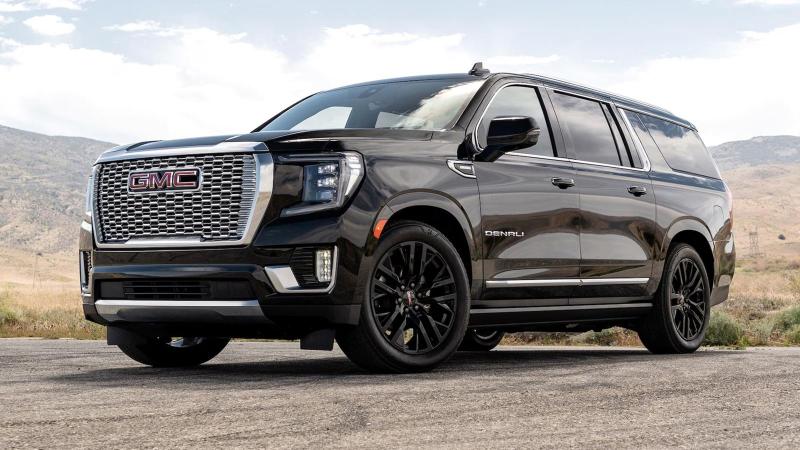
The Complete Overview of the GMC Yukon XL
The GMC Yukon XL represents the apex of General Motors’ full-size SUV lineup, a vehicle engineered for those who prioritize capability over compromise. Since its debut in 2007 (as a refreshed version of the Yukon), the XL has evolved into a three-row powerhouse, offering seating for up to eight passengers while maintaining towing capacities that rival heavy-duty trucks. Its presence on the road is unmistakable—a longer wheelbase, more aggressive styling cues, and a commanding stance that sets it apart from the standard Yukon. For buyers who need the extra space for cargo, passengers, or both, the Yukon XL is the only game in town.What truly defines the GMC Yukon XL is its versatility. It’s not just a towing machine or a family hauler; it’s both. The Denali trim, in particular, elevates the experience with premium materials, advanced tech, and a V8 engine that roars to life with authority. Yet, even in base form, the Yukon XL delivers performance that outclasses most SUVs in its class. Its suspension is tuned for comfort without sacrificing stability, and its interior is designed for practicality—think hidden storage, easy-access cargo areas, and a rear seat that folds flat for maximum flexibility. In a market where SUVs are increasingly downsized, the Yukon XL remains a bastion of full-size utility.
Historical Background and Evolution
The GMC Yukon XL traces its lineage back to the full-size Chevrolet Suburban, a vehicle that has been in production since 1935. When GM introduced the Yukon in 1992, it was positioned as a more refined alternative to the Suburban, with a focus on comfort and luxury. The XL variant arrived in 2007 as a stretched version of the Yukon, offering an additional 12.5 inches of wheelbase and a longer cargo area—features that immediately set it apart. This was a direct response to the demand for more space in SUVs, a trend that had been growing since the late 1990s.Over the years, the Yukon XL has undergone significant refinements. The fourth-generation model (2015–present) introduced a more modern design language, improved fuel efficiency, and advanced safety features. The Denali trim, which debuted in 2008, became a status symbol within the lineup, offering leather-appointed interiors, a Bose premium audio system, and a 6.2L V8 engine that produced 395 horsepower. Despite the rise of crossovers and compact SUVs, the Yukon XL has held its ground, proving that there’s still a market for a full-size SUV that doesn’t apologize for its size or capability.
Core Mechanisms: How It Works
Under the hood, the GMC Yukon XL is built for performance and durability. The base model typically comes with a 5.3L V8 engine (355 hp, 383 lb-ft of torque), while the Denali trim features a more powerful 6.2L V8 (420 hp, 460 lb-ft of torque). Both engines are paired with an 8-speed automatic transmission, ensuring smooth power delivery whether you’re towing a heavy load or cruising on the highway. The Yukon XL’s frame is designed to handle up to 8,500 pounds of towing capacity (with the right package), making it one of the most capable SUVs in the market.Table of Contents
- The Complete Overview of the GMC Yukon XL
- Historical Background and Evolution
- Core Mechanisms: How It Works
- Key Benefits and Crucial Impact
- Major Advantages
- Comparative Analysis
- Future Trends and Innovations
- Conclusion
- Comprehensive FAQs
- Q: Is the GMC Yukon XL still in production?
- Q: How does the Yukon XL compare to the standard Yukon?
- Q: What’s the towing capacity of the GMC Yukon XL?
- Q: Is the GMC Yukon XL good for off-road use?
- Q: What’s the fuel economy of the GMC Yukon XL?
- Q: Can the Yukon XL seat eight people?
- Q: What’s the warranty coverage for the GMC Yukon XL?
The suspension system is another key differentiator. The Yukon XL uses a multi-link front suspension and a 4-link rear setup, which provides a balance of comfort and stability. This is particularly important for a vehicle of its size, as it helps mitigate body roll during aggressive maneuvers. Inside, the cabin is designed with ergonomics in mind, featuring easy-to-reach controls, a user-friendly infotainment system (with available wireless Apple CarPlay and Android Auto), and a panoramic moonroof that floods the interior with natural light. The Denali trim takes this further with Nappa leather, heated and ventilated front seats, and a power-adjustable steering wheel.
Key Benefits and Crucial Impact
The GMC Yukon XL isn’t just a vehicle; it’s a solution for those who demand more from their SUV. Whether it’s the ability to tow a massive trailer, accommodate a large family, or simply drive with confidence on long road trips, the Yukon XL delivers where others fall short. Its presence on the road is a testament to its enduring appeal—a vehicle that refuses to be relegated to the sidelines of automotive trends.What sets the Yukon XL apart is its ability to adapt to different lifestyles. It’s the go-to choice for contractors who need to haul equipment, families who require extra space for gear and passengers, and luxury enthusiasts who want a vehicle that doesn’t compromise on performance or comfort. In a world where SUVs are increasingly focused on fuel efficiency and compactness, the Yukon XL stands as a reminder that sometimes, bigger is better.
"The Yukon XL is the last full-size SUV standing, and it does so with grace, power, and an unmatched sense of capability. It’s not just a vehicle; it’s a statement of intent." — Automotive Industry Analyst, 2023
Major Advantages
- Unmatched Towing Capacity: With up to 8,500 pounds of towing (when properly equipped), the Yukon XL can handle anything from boats to fifth-wheel trailers without breaking a sweat.
- Three-Row Seating: The only full-size SUV offering seating for up to eight passengers, making it ideal for large families or group outings.
- Luxury Meets Utility: The Denali trim provides a cabin filled with premium materials, advanced tech, and a powerful V8 engine, ensuring a refined driving experience.
- Robust Off-Road Capability: Available AWD and off-road packages make the Yukon XL a capable adventure vehicle, though it’s not as extreme as a dedicated off-roader.
- Long-Term Reliability: Built on a proven platform, the Yukon XL is known for its durability, making it a wise investment for those who prioritize longevity.

Comparative Analysis
| GMC Yukon XL | Chevrolet Tahoe |
|---|---|
| Longer wheelbase (13.5 inches more than standard Yukon) | Shorter wheelbase, less cargo space |
| Up to 8,500 lbs towing capacity (Denali) | Up to 8,400 lbs towing capacity (Denali) |
| Available 6.2L V8 (420 hp) | Same engine options as Yukon XL |
| More premium interior materials (Denali) | Similar but slightly less luxurious |
Future Trends and Innovations
As the automotive industry shifts toward electrification, the future of the GMC Yukon XL is uncertain. While GM has committed to an all-electric future by 2035, the full-size SUV category may not be a priority in the near term. However, the Yukon XL’s legacy suggests that demand for full-size capability will persist, particularly in markets where towing and space are essential.In the short term, we can expect incremental improvements—better fuel efficiency, more advanced driver-assistance systems, and possibly hybrid powertrains. Long-term, an electric Yukon XL could emerge, though it would likely require a significant redesign to accommodate battery packs while maintaining towing and payload capacity. Until then, the current generation remains a symbol of what a full-size SUV should be: powerful, spacious, and unapologetic.

Conclusion
The GMC Yukon XL is more than just a vehicle; it’s a testament to the enduring appeal of full-size SUVs. In an era where downsizing and electrification dominate headlines, the Yukon XL stands as a reminder that sometimes, bigger is better. It offers a rare combination of space, power, and luxury that few vehicles can match, making it a top choice for those who refuse to compromise.For now, the Yukon XL remains the last of its kind—a full-size SUV that doesn’t just meet expectations but exceeds them. Whether you’re towing a heavy load, ferrying a large family, or simply driving with confidence, the Yukon XL delivers. And until the next evolution arrives, it will continue to dominate the road.
Comprehensive FAQs
Q: Is the GMC Yukon XL still in production?
A: Yes, the GMC Yukon XL is still in production as of 2024, though it may face changes in the coming years as GM shifts toward electrification. The current generation remains available with both V8 and hybrid powertrains.
Q: How does the Yukon XL compare to the standard Yukon?
A: The Yukon XL features a longer wheelbase (13.5 inches more than the standard Yukon), three rows of seating, and additional cargo space. It’s essentially a stretched version of the Yukon, offering more room for passengers and gear.
Q: What’s the towing capacity of the GMC Yukon XL?
A: The towing capacity varies by trim and configuration, but the Denali model can tow up to 8,500 pounds when properly equipped. The base model has a lower towing capacity, typically around 7,400 pounds.
Q: Is the GMC Yukon XL good for off-road use?
A: While the Yukon XL isn’t a dedicated off-road vehicle like a Jeep Wrangler, it offers available AWD and off-road packages that improve its capability on rough terrain. It’s best suited for light off-roading rather than extreme conditions.
Q: What’s the fuel economy of the GMC Yukon XL?
A: Fuel economy varies by engine and drivetrain. The base 5.3L V8 gets around 16-18 MPG combined, while the Denali’s 6.2L V8 is slightly less efficient. Hybrid versions offer better MPG, typically around 20-22 MPG combined.
Q: Can the Yukon XL seat eight people?
A: Yes, the Yukon XL offers three rows of seating, accommodating up to eight passengers when all seats are in place. The third row is best suited for children or smaller adults due to legroom constraints.
Q: What’s the warranty coverage for the GMC Yukon XL?
A: GMC offers a standard 3-year/36,000-mile basic warranty and a 5-year/60,000-mile powertrain warranty. The Denali trim may include additional perks, such as extended coverage or complimentary maintenance.
Leave a Comment
Comments are moderated before appearing. The data you submit is processed according to the Privacy Policy of Coolearth.