Harry Shum Jr: The Multifaceted Visionary Behind *Glee* and Beyond
Harry Shum Jr’s name first echoed through living rooms as the magnetic Mike Chang, the charismatic pianist whose keyboard riffs and romantic tension defined Glee’s early seasons. But behind the sharp suits and soulful performances lay a trajectory far more complex—a journey from a Taiwanese-American prodigy to a cultural architect reshaping Hollywood’s landscape. His story isn’t just about acting; it’s about reinvention, advocacy, and the quiet revolution of representation in mainstream media.
What began as a viral sensation—thanks to his viral Glee audition tape—evolved into a career marked by critical acclaim, groundbreaking roles, and a production empire. Shum Jr didn’t just follow the script; he rewrote it. From his Emmy-winning turn in The Good Fight to his executive producing credits on Glee: The 3D Concert Movie and The Glee Project, he’s proven himself as both performer and powerhouse behind the scenes. Yet, his influence extends beyond awards and credits: as an openly gay Asian-American actor, he’s become a symbol of visibility in industries historically resistant to diversity.
The paradox of Harry Shum Jr’s career lies in its duality. To the world, he’s the man who brought Mike Chang to life—flawed, passionate, and unapologetically himself. But to those who study his work, he’s a strategist: a producer who greenlit projects that amplify underrepresented voices, a mentor who uplifts emerging talent, and a public figure whose interviews dissect the intersections of identity, industry, and artistry. His ability to balance these roles without compromise has cemented his status as one of Hollywood’s most intriguing figures.
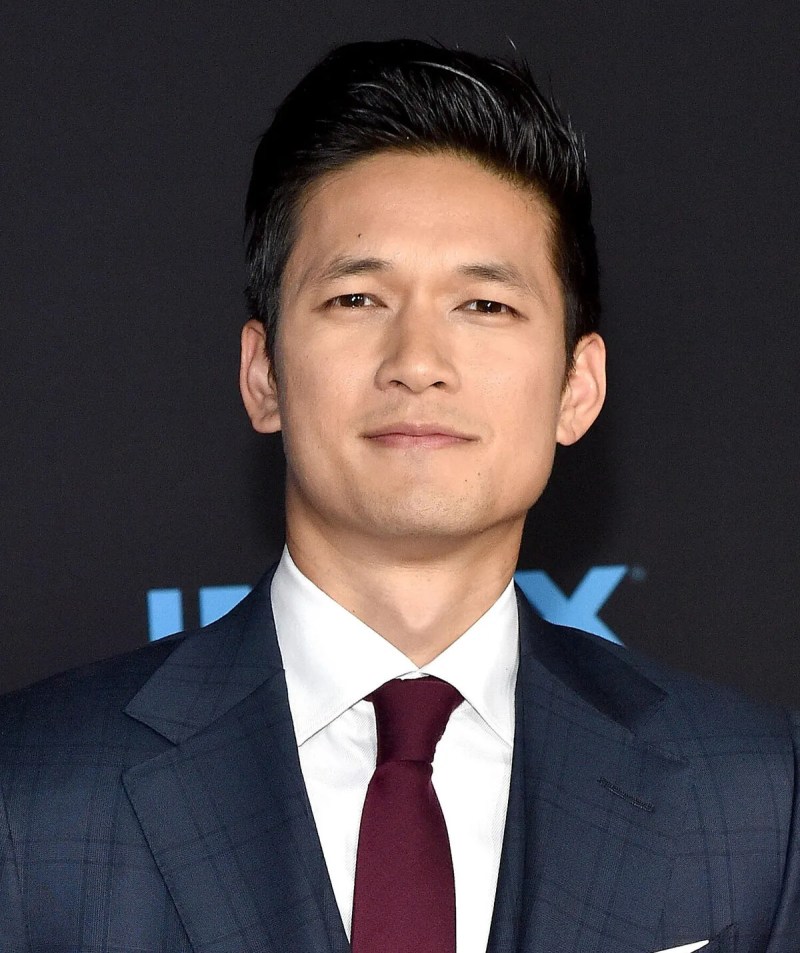
The Complete Overview of Harry Shum Jr
Harry Shum Jr’s career is a masterclass in adaptability. Born in Taipei, Taiwan, and raised in the San Francisco Bay Area, he arrived in Los Angeles with a dual citizenship and a piano prodigy’s discipline. His early years were spent honing his craft—studying at the University of Southern California’s Thornton School of Music while auditioning for roles that would later define him. The breakout came in 2009, when Ryan Murphy cast him as Mike Chang in Glee, a role that would not only make him a household name but also force Hollywood to confront its lack of Asian-American representation in leading roles.
Yet, Shum Jr’s genius lies in his refusal to be pigeonholed. While Glee remains his most recognizable work, his filmography spans genres: from the dramatic intensity of The Good Fight to the comedic charm of Glee: The 3D Concert Movie and the experimental storytelling of The Glee Project. His producing credits—including the short-lived but critically praised Glee: The Music, The Power of Madonna—demonstrate an understanding of franchise potential and audience engagement. Even his foray into Broadway (The King and I) underscored his versatility, proving he could thrive in both television’s fast-paced energy and theater’s meticulous craft.
Historical Background and Evolution
The trajectory of Harry Shum Jr’s career mirrors the evolution of Asian-American representation in Hollywood. When Glee premiered in 2009, its diverse cast was unprecedented—but so was the backlash. Critics and fans alike questioned whether an Asian-American lead could carry a mainstream show. Shum Jr’s response? He outworked the skepticism. His portrayal of Mike Chang wasn’t just competent; it was layered, blending vulnerability with confidence. The character’s struggles—with identity, sexuality, and family expectations—resonated globally, particularly among LGBTQ+ and Asian audiences who saw themselves reflected in his storylines.
Table of Contents
- The Complete Overview of Harry Shum Jr
- Historical Background and Evolution
- Core Mechanisms: How It Works
- Key Benefits and Crucial Impact
- Major Advantages
- Comparative Analysis
- Future Trends and Innovations
- Conclusion
- Comprehensive FAQs
- Q: How did Harry Shum Jr get his start in Glee ?
- Q: What awards has Harry Shum Jr won?
- Q: Is Harry Shum Jr involved in LGBTQ+ advocacy?
- Q: What projects is Harry Shum Jr producing?
- Q: How does Harry Shum Jr balance acting and producing?
- Q: What’s next for Harry Shum Jr?
By the time Shum Jr transitioned from actor to producer, the industry had shifted. His work behind the camera, particularly on The Glee Project, reflected a deeper understanding of the gaps in representation. He didn’t just cast diverse talent; he ensured their stories were told with nuance. His producing credits often focus on music-driven narratives, a nod to his roots and a nod to the power of art as a unifying force. Even his guest roles—like his Emmy-nominated performance in The Good Fight—highlighted his ability to disappear into roles while leaving an indelible mark.
Core Mechanisms: How It Works
Shum Jr’s success isn’t accidental; it’s the result of a calculated approach to storytelling and industry navigation. His early years were spent mastering the technical—piano, singing, acting—but his later career reveals a strategic mind. For instance, his producing debut on Glee: The 3D Concert Movie wasn’t just about nostalgia; it was a calculated move to leverage the show’s existing fanbase while introducing new audiences to his producing vision. Similarly, his work on The Glee Project wasn’t merely a spin-off; it was an experiment in democratizing talent, giving underrepresented performers a platform to shine.
Behind the scenes, Shum Jr’s influence is felt in his collaborative ethos. He’s known for surrounding himself with writers and directors who share his values, ensuring that his projects reflect authenticity. His interviews often touch on the importance of mentorship, and his producing credits frequently include opportunities for emerging Asian-American and LGBTQ+ creators. This isn’t just about filling quotas; it’s about fostering an ecosystem where stories like his—complex, intersectional, and unapologetic—can thrive.
Key Benefits and Crucial Impact
Harry Shum Jr’s career offers a blueprint for how representation can transform both art and industry. His work has given visibility to Asian-American and LGBTQ+ stories that were once sidelined, proving that mainstream success isn’t mutually exclusive with authenticity. For young actors of color, his journey is a testament to the power of persistence—especially in an industry that often dismisses them as “too niche” for broad appeal.
Beyond the screen, Shum Jr’s impact is cultural. His advocacy for LGBTQ+ rights, his public discussions on mental health, and his commitment to Asian-American narratives have made him a thought leader. He’s not just an entertainer; he’s a bridge between communities, using his platform to challenge stereotypes and redefine success on his own terms.
“Representation isn’t just about seeing yourself on screen—it’s about seeing the complexity of your identity reflected back at you.” —Harry Shum Jr, in a 2021 interview with Variety
Major Advantages
- Breaking Barriers in Casting: Shum Jr’s roles and producing credits have consistently prioritized diversity, proving that Asian-American leads can anchor major franchises without compromising box-office appeal.
- Industry Mentorship: His commitment to nurturing new talent—particularly through The Glee Project—has created a pipeline for underrepresented creators, many of whom have gone on to secure their own projects.
- Cultural Shifts in Storytelling: His work on Glee and beyond has normalized narratives centered on LGBTQ+ Asian-American experiences, influencing a generation of storytellers to explore similar themes.
- Hybrid Career Model: By excelling as both actor and producer, Shum Jr has demonstrated how artists can control their creative destinies, reducing reliance on traditional gatekeepers.
- Global Appeal Without Compromise: His ability to balance mainstream success with authentic representation has redefined what it means to be a “marketable” star in Hollywood.

Comparative Analysis
| Aspect | Harry Shum Jr | Industry Standard |
|---|---|---|
| Representation in Leading Roles | Consistently cast in protagonist roles (Mike Chang, The Good Fight), with producing credits that amplify diverse voices. | Often relegated to sidekick or comic relief roles; Asian-American leads remain rare in mainstream projects. |
| Career Longevity | Transitioned from actor to producer, maintaining relevance across decades with high-profile credits. | Many actors plateau after initial success; few diversify into producing without industry connections. |
| Cultural Impact | Actively advocates for LGBTQ+ and Asian-American narratives; seen as a thought leader in media representation. | Celebrities often avoid political/cultural commentary to maintain “neutrality,” limiting their influence. |
| Audience Engagement | Projects like Glee: The 3D Concert Movie and The Glee Project blend nostalgia with innovation, keeping franchises fresh. | Franchises often rely on nostalgia without reinvention, leading to audience fatigue. |
Future Trends and Innovations
The next chapter of Harry Shum Jr’s career is likely to be defined by his expanding role as a producer and cultural tastemaker. With streaming platforms prioritizing diverse storytelling, his producing credits could become a blueprint for how franchises are reimagined with inclusivity at the forefront. Expect to see more projects that blend music, drama, and social commentary—areas where his expertise is unmatched.
Additionally, his focus on mentorship suggests he’ll continue shaping the next generation of Asian-American and LGBTQ+ talent. Initiatives like The Glee Project could evolve into larger platforms, offering not just exposure but sustainable career pathways. As Hollywood grapples with its diversity reckonings, Shum Jr’s ability to merge artistry with activism positions him as a key figure in defining what “mainstream” entertainment will look like in the 2020s and beyond.

Conclusion
Harry Shum Jr’s story is more than a Hollywood success tale—it’s a case study in resilience, reinvention, and the power of representation. From his viral Glee audition to his Emmy-winning performances and producing ventures, he’s consistently pushed boundaries while staying true to his roots. His career proves that authenticity isn’t a limitation; it’s a competitive advantage in an industry hungry for fresh perspectives.
As he moves forward, the question isn’t whether Harry Shum Jr will remain relevant—it’s how deeply his influence will permeate the next era of entertainment. One thing is certain: the industry will never be the same because of him.
Comprehensive FAQs
Q: How did Harry Shum Jr get his start in Glee?
A: Shum Jr’s Glee audition tape—filmed in his apartment and posted online—went viral, catching the attention of Ryan Murphy. His piano skills and emotional depth impressed the show’s creators, leading to his casting as Mike Chang. The role was a gamble for the network, but Shum Jr’s performance redefined what an Asian-American lead could achieve in mainstream TV.
Q: What awards has Harry Shum Jr won?
A: Shum Jr has earned an Emmy nomination for Outstanding Guest Actor in a Drama Series (The Good Fight, 2019) and multiple nominations for his work on Glee, including Outstanding Supporting Actor in a Comedy Series (2010). While he hasn’t won an Emmy, his nominations highlight his critical acclaim across genres.
Q: Is Harry Shum Jr involved in LGBTQ+ advocacy?
A: Absolutely. Shum Jr is openly gay and has used his platform to advocate for LGBTQ+ rights, particularly in Asian-American communities. He’s spoken publicly about the intersection of his identities, supported organizations like GLAAD, and used his roles (e.g., Mike Chang’s coming-out storylines) to drive conversations about queer visibility.
Q: What projects is Harry Shum Jr producing?
A: His producing credits include Glee: The 3D Concert Movie, The Glee Project, and Glee: The Music, The Power of Madonna. He’s also executive producing Rise, a musical drama series that further explores Asian-American narratives. His focus remains on music-driven stories with diverse casts.
Q: How does Harry Shum Jr balance acting and producing?
A: Shum Jr treats both roles as extensions of his creative vision. Acting keeps him connected to performance, while producing allows him to shape stories behind the scenes. He often collaborates with directors and writers who share his values, ensuring his projects reflect his artistic integrity—whether he’s in front of or behind the camera.
Q: What’s next for Harry Shum Jr?
A: While he hasn’t announced major new projects, industry insiders speculate he’ll continue producing music-centric dramas with diverse leads. His work on Rise suggests a focus on Asian-American stories, and he may expand his mentorship initiatives to include more emerging creators. Fans can expect a mix of acting roles and producing ventures that push cultural boundaries.
Leave a Comment
Comments are moderated before appearing. The data you submit is processed according to the Privacy Policy of Coolearth.