The Samsung Galaxy Tab E: A Budget Powerhouse Redefined
The Samsung Galaxy Tab E arrived in 2016 as a bold statement: a tablet that didn’t just compete with the high-end models but redefined what budget Android devices could achieve. It wasn’t the first affordable tablet from Samsung, but it was the first to balance cost, performance, and brand reliability in a way that resonated with students, professionals, and casual users alike. Its launch marked a turning point—proving that entry-level tech could still deliver a premium experience without the premium price tag. The Galaxy Tab E series, particularly the E7.0 and E9.6 variants, became synonymous with accessibility, offering features like S Pen compatibility (in later models) and a familiar TouchWiz interface that users trusted.
What made the Samsung Galaxy Tab E stand out wasn’t just its price—it was the way it bridged the gap between functionality and affordability. In an era where tablets were often seen as luxury items, Samsung democratized access by packing in essentials like a quad-core processor, expandable storage, and a decent 1080p display (on the E9.6). It wasn’t about cutting corners; it was about prioritizing what mattered most to its target audience. The result? A device that could handle everything from note-taking to light multitasking without breaking the bank. Even years later, the Galaxy Tab E remains a benchmark for budget-conscious tech buyers, a testament to Samsung’s ability to deliver value without sacrificing core performance.
Yet, the Samsung Galaxy Tab E wasn’t just a product—it was a cultural shift. It proved that entry-level devices could still be relevant in a market dominated by high-end flagships. For students, it was a tool for digital learning; for professionals, a portable second screen; for families, an affordable entertainment hub. Its success also forced competitors to rethink their pricing strategies, leading to a wave of more competitive budget tablets. Today, as newer models emerge, the legacy of the Galaxy Tab E lives on in the way modern affordable tablets are designed: with a focus on practicality, durability, and seamless integration with everyday tasks.

The Complete Overview of the Samsung Galaxy Tab E
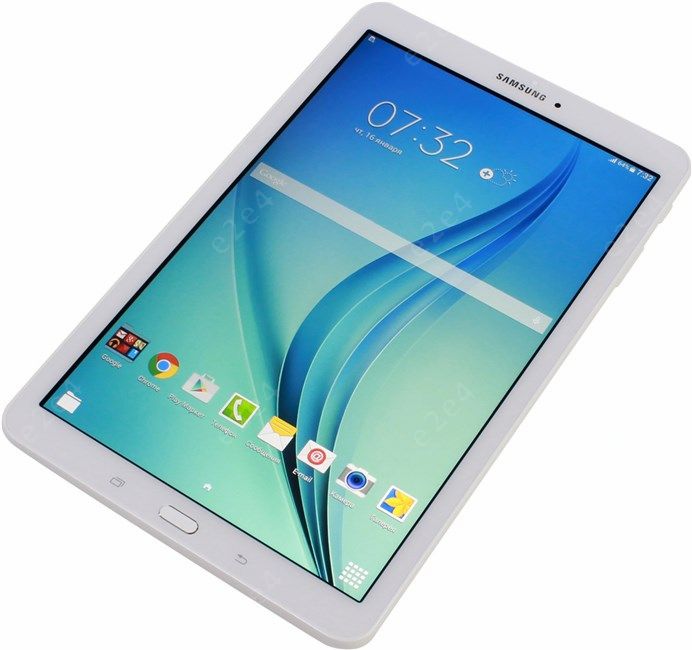
The Samsung Galaxy Tab E series was built for users who needed a tablet’s capabilities but couldn’t justify the cost of a Galaxy Tab S or iPad. Its core philosophy was simplicity: deliver a device that could handle basic computing needs without unnecessary bloat. The line included two primary models—the Galaxy Tab E 7.0 (with a 7-inch display) and the Galaxy Tab E 9.6 (with a larger 9.6-inch screen)—each tailored to different use cases. The E9.6, in particular, became a favorite among those who wanted a more immersive experience for reading, media consumption, or productivity. Both models shared a similar design language, featuring a sleek aluminum frame (on the E9.6) and a plastic build (on the E7.0), with a focus on lightweight portability.
Under the hood, the Samsung Galaxy Tab E relied on mid-range hardware for its time. The E7.0 typically shipped with a 1.2GHz quad-core Exynos processor and 1.5GB of RAM, while the E9.6 boasted a slightly more powerful 1.4GHz quad-core processor and 2GB of RAM. Storage options ranged from 8GB to 16GB, with microSD expansion available on both models—a critical feature for users who needed more space for apps, media, or documents. The display, while not as sharp as flagship models, was still vibrant, with the E9.6 offering a 1080p resolution that made it suitable for HD video playback. Battery life was another strong suit, with both models lasting a full day on moderate use, thanks to their 3,200mAh (E7.0) and 4,600mAh (E9.6) batteries.
Historical Background and Evolution
The Samsung Galaxy Tab E wasn’t Samsung’s first foray into the budget tablet market, but it was the most successful. Before its launch, Samsung had experimented with devices like the Galaxy Tab 2 and Galaxy Tab 3, which were affordable but lacked the polish and performance of the Galaxy Tab E. The E series was a direct response to the growing demand for low-cost Android tablets, particularly in emerging markets where users sought functionality without the high price. Samsung’s strategy was clear: offer a device that could compete with Amazon’s Fire tablets and other budget alternatives by leveraging its brand reputation and ecosystem integration.
Table of Contents
- The Complete Overview of the Samsung Galaxy Tab E
- Historical Background and Evolution
- Core Mechanisms: How It Works
- Key Benefits and Crucial Impact
- Major Advantages
- Comparative Analysis
- Future Trends and Innovations
- Conclusion
- Comprehensive FAQs
- Q: Is the Samsung Galaxy Tab E still worth buying in 2024?
- Q: Can I use the S Pen with the Galaxy Tab E 7.0?
- Q: How long did Samsung support the Galaxy Tab E with software updates?
- Q: What are the best alternatives to the Galaxy Tab E today?
- Q: Does the Galaxy Tab E support 5G?
- Q: Can I upgrade the RAM on a Galaxy Tab E?
The evolution of the Galaxy Tab E was incremental but impactful. Early models focused on basic computing, but later iterations introduced features like the S Pen (in the Galaxy Tab E 9.6 with S Pen support), which expanded its appeal to note-takers and artists. Samsung also refined the software experience, moving away from the clunky TouchWiz of older models to a cleaner, more intuitive interface that aligned with Android’s design language. The series also saw improvements in build quality, with the E9.6 adopting a more premium aluminum finish, while the E7.0 remained a lightweight, plastic-built companion for on-the-go users. These refinements ensured that the Galaxy Tab E remained relevant even as newer models entered the market.
Core Mechanisms: How It Works
The Samsung Galaxy Tab E operated on a straightforward hardware-software synergy. Its quad-core processors, while not cutting-edge, were optimized for Android’s efficiency, allowing users to run multiple apps simultaneously without significant lag. The Exynos chips used in these tablets were energy-efficient, which translated to better battery life—a critical factor for users who relied on their tablets for extended periods. The inclusion of microSD support was a game-changer for storage-hungry users, enabling them to expand capacity up to 256GB, depending on the model. This flexibility made the Galaxy Tab E a versatile tool for everything from document storage to media libraries.
Software-wise, the Galaxy Tab E ran on Android Lollipop (5.0) out of the box, with later models receiving updates to Marshmallow (6.0) and Nougat (7.0). Samsung’s custom skin, TouchWiz, was streamlined to reduce bloatware, ensuring smoother performance. The Galaxy Tab E 9.6 with S Pen support introduced a more refined note-taking experience, with pressure sensitivity and palm rejection features that rivaled those of higher-end tablets. The S Pen’s compatibility with apps like Samsung Notes and Google Keep further enhanced its utility for productivity tasks. Additionally, the tablets supported Samsung’s ecosystem, including Knox security features and seamless integration with Galaxy smartphones, making them a cohesive part of a user’s digital lifestyle.
Key Benefits and Crucial Impact
The Samsung Galaxy Tab E wasn’t just a tablet—it was a solution for users who needed mobility without compromise. Its primary appeal lay in its ability to deliver near-flagship functionality at a fraction of the cost. For students, it was a portable study companion; for professionals, a secondary display for multitasking; for families, an affordable entertainment device. The Galaxy Tab E series also played a pivotal role in expanding Samsung’s market reach, particularly in regions where budget constraints were a significant factor. By offering a device that was both practical and reliable, Samsung tapped into a previously underserved segment of the tablet market.
Beyond its functional benefits, the Galaxy Tab E had a broader cultural impact. It challenged the notion that affordable tech had to mean compromised quality. In an industry where premium pricing often dictated features, the Galaxy Tab E proved that users could still enjoy a seamless experience without breaking the bank. This philosophy influenced competitors, leading to a more competitive budget tablet market where features like expandable storage, decent displays, and long battery life became standard rather than exceptions.
"The Galaxy Tab E wasn’t just a tablet—it was a statement that affordability and performance could coexist. It redefined what users should expect from entry-level devices, setting a new standard for value in the tech industry."
— Tech Industry Analyst, 2017
Major Advantages
- Affordability Without Compromise: The Galaxy Tab E delivered a full-featured Android experience at a price point that was significantly lower than its competitors, making it accessible to a broader audience.
- Expandable Storage: With microSD support, users could extend storage capacity, ensuring they had enough space for apps, media, and documents without needing to upgrade devices frequently.
- Portability and Durability: The Galaxy Tab E 7.0 was ultra-lightweight, ideal for students and professionals on the move, while the Galaxy Tab E 9.6 offered a more immersive experience with a sturdy aluminum build.
- S Pen Compatibility (E9.6): The optional S Pen support transformed the tablet into a productivity powerhouse, enabling precise note-taking, drawing, and digital annotation.
- Long-Term Software Support: Unlike many budget tablets that received minimal updates, the Galaxy Tab E series benefited from Samsung’s commitment to software longevity, ensuring users stayed on supported versions of Android for years.

Comparative Analysis
| Feature | Samsung Galaxy Tab E 9.6 vs. Amazon Fire HD 8 |
|---|---|
| Display | 1080p (1920 x 1200) on E9.6 vs. 1280 x 800 (HD) on Fire HD 8 |
| Processor | 1.4GHz quad-core Exynos vs. 1.3GHz quad-core MediaTek |
| Storage Expansion | MicroSD support (up to 256GB) vs. microSD support (up to 128GB) |
| Ecosystem Integration | Full Android with Google Play, Samsung Knox, and Galaxy device sync vs. Fire OS with limited app access |
Future Trends and Innovations
The legacy of the Samsung Galaxy Tab E continues to shape the future of budget tablets. As newer models emerge, the focus remains on balancing cost with performance, but with advancements in AI, foldable displays, and longer software support cycles. Future iterations of budget tablets may incorporate features like always-on displays, improved thermal management, and more efficient processors to extend battery life. Samsung, in particular, is likely to refine its approach to software updates, ensuring that even entry-level devices receive timely security patches and performance optimizations. Additionally, the rise of 5G connectivity in tablets could redefine how budget devices handle data-intensive tasks, making them more versatile for users on the go.
Another trend to watch is the integration of AI-driven features into budget tablets. While high-end devices have long leveraged AI for tasks like predictive text and smart assistants, budget models are beginning to catch up. Future Galaxy Tab E successors may include AI-powered productivity tools, such as automated note organization or smart camera enhancements, without requiring premium hardware. The goal remains the same: deliver a device that is affordable, functional, and future-proof, ensuring that users don’t have to choose between cost and capability.
Conclusion
The Samsung Galaxy Tab E was more than just a tablet—it was a testament to Samsung’s ability to innovate within constraints. By focusing on what users truly needed—portability, expandable storage, and reliable performance—the series carved out a niche in the market that competitors struggled to match. Its impact extended beyond sales figures; it redefined expectations for budget tech, proving that affordability didn’t have to mean sacrificing quality. Even as newer models enter the market, the principles established by the Galaxy Tab E remain relevant: prioritize user needs, optimize hardware efficiency, and ensure long-term software support.
For users today, the lessons of the Samsung Galaxy Tab E are clear. When selecting a budget tablet, consider not just the upfront cost but also the device’s longevity, ecosystem compatibility, and ability to adapt to future needs. The Galaxy Tab E may no longer be in production, but its influence lives on in every affordable tablet that balances performance with price. In a market where choices can be overwhelming, the Galaxy Tab E serves as a reminder that the best technology isn’t always the most expensive—it’s the one that delivers the most value.
Comprehensive FAQs
Q: Is the Samsung Galaxy Tab E still worth buying in 2024?
A: While the Galaxy Tab E is no longer in production, you can still find refurbished or used models at competitive prices. However, if you’re looking for a new budget tablet, consider newer options like the Samsung Galaxy Tab A series, which offers better performance, longer software support, and modern features like USB-C and improved displays.
Q: Can I use the S Pen with the Galaxy Tab E 7.0?
A: No, only the Galaxy Tab E 9.6 (with S Pen support) is compatible with the S Pen. The E7.0 model does not include this feature, though you can use third-party styluses for basic note-taking.
Q: How long did Samsung support the Galaxy Tab E with software updates?
A: The Galaxy Tab E series received updates up to Android Nougat (7.0) for most models, with some variants getting security patches for a few more years. This was relatively long for a budget tablet, but newer models now offer even longer support cycles.
Q: What are the best alternatives to the Galaxy Tab E today?
A: If you’re looking for a modern replacement, consider the Samsung Galaxy Tab A8 (for a balance of price and performance) or the Lenovo Tab P11 (for a more premium feel at a lower cost). Both offer better hardware, longer software support, and modern features like USB-C.
Q: Does the Galaxy Tab E support 5G?
A: No, the Galaxy Tab E series does not support 5G connectivity. All models are limited to 4G LTE. If you need 5G, look for newer tablets like the Samsung Galaxy Tab S9 or Galaxy Tab A9.
Q: Can I upgrade the RAM on a Galaxy Tab E?
A: No, the RAM on the Galaxy Tab E is soldered to the motherboard and cannot be upgraded. If you need more memory, you’ll have to rely on microSD expansion for storage or consider a newer model with more RAM.
Leave a Comment
Comments are moderated before appearing. The data you submit is processed according to the Privacy Policy of Coolearth.