Tag
web development
-

How to Use Line Break HTML for Cleaner, More Controlled Text Formatting
Web developers and designers often underestimate the subtleties of a simple line break in HTML. Unlike traditional word processors where pressing Enter...
-

How CSS Media Queries Reshape Responsive Design Today
The syntax itself is deceptively simple: `@media (condition) { styles }`. Yet beneath this surface lies a layered architecture capable of handling everything...
-

How HTML Text Color Shapes Design, Accessibility, and User Experience
At its core, HTML text color represents a convergence of technical implementation and human psychology. The hexadecimal `#RRGGBB` format, introduced in the...
-

How Base64 Decode Transforms Data Security and Efficiency
Base64 decode is more than a technical process—it’s a cornerstone of modern data handling, bridging the gap between binary and human-readable formats while...
-

Navigating the Digital Age: A Deep Dive into JavaScript Interview Questions
In the dynamic landscape of web development, JavaScript has emerged as an indispensable tool. Its versatility and power make it a cornerstone of modern web...
-

How to Properly Link CSS to HTML: The Definitive Technical Guide
The way you connect CSS to HTML directly influences how browsers interpret and render your content. A poorly structured link can result in cascading failures...
-

HTML Font Color: The Hidden Language of Digital Typography
Color in digital typography isn’t arbitrary. Studies show that 90% of snap judgments about products are based on color alone, yet many developers default to...
-

How the Font Awesome CDN Transforms Web Design Efficiency
What makes the Font Awesome CDN particularly compelling is its dual role as both a performance booster and a creative enabler. Developers no longer need to...
-
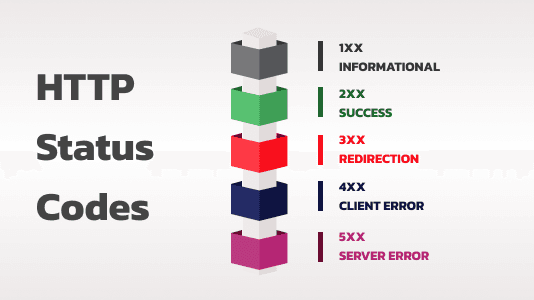
Decoding HTTP Response Codes: The Hidden Language of Web Communication
The language of HTTP response codes isn’t arbitrary; it’s a deliberate framework designed to standardize communication between clients and servers. From the...
-

What Is WordPress? The Powerhouse Behind Modern Web Design
The platform’s ubiquity isn’t accidental. WordPress solved a critical problem: how to build, manage, and scale websites efficiently. Before its rise, creating...
-

How Easy Auto Refresh Transforms Digital Efficiency
Yet, for all its ubiquity, easy auto refresh remains misunderstood. Many associate it solely with browser plugins or simple JavaScript loops, unaware of the...
-

The Hidden Meaning Behind Lorem Ipsum Text and Why It Still Rules Design
What makes lorem ipsum text more than a filler? Its structure mirrors natural language syntax, complete with variable word lengths, grammatical patterns, and...
-

The Full Stack Web Developer: Bridging Frontend and Backend Mastery
The term "full stack" emerged in the early 2010s as agile teams sought developers who could bridge silos. Before this, projects often required separate...
-

How a Front End Developer Shapes Digital Experiences
The first time a user interacts with a website, they don’t see code—they see color, motion, and intuitive layouts. Behind those visuals lies the work of a...
-

The Definitive Blueprint for Making a Website in 2024
The first website went live in 1991—a sparse, text-only page hosted by CERN. Fast forward to 2024, and making a website has evolved into a multifaceted...
-

How to Build a Website That Stands Out in 2024
Domain names aren’t just addresses; they’re brand identifiers. A .com extension remains the gold standard, but niche TLDs (.tech, .store) can signal industry...
-

How a Content Security Policy Shields Your Digital Assets
Yet despite its critical role, CSP remains misunderstood. Many developers implement it as an afterthought, configuring it with overly permissive directives...
-

How the 302 Status Code Reshapes Web Traffic and SEO Strategies
Search engines treat 302 redirects as hints, not commands. Google’s John Mueller has explicitly stated that these redirects should not pass link equity...
-

How Dino Run Google Became a Viral Phenomenon—and What It Means for Digital Culture
The phrase "dino run google" didn’t emerge from a corporate lab or a tech conference—it burst onto the scene as a chaotic collision of internet humor, SEO...
-

What HTML Stands For: The Hidden Code Behind Every Website
The term "HTML stands for" HyperText Markup Language might seem technical, but its implications are far broader. It’s the invisible skeleton of the web, the...